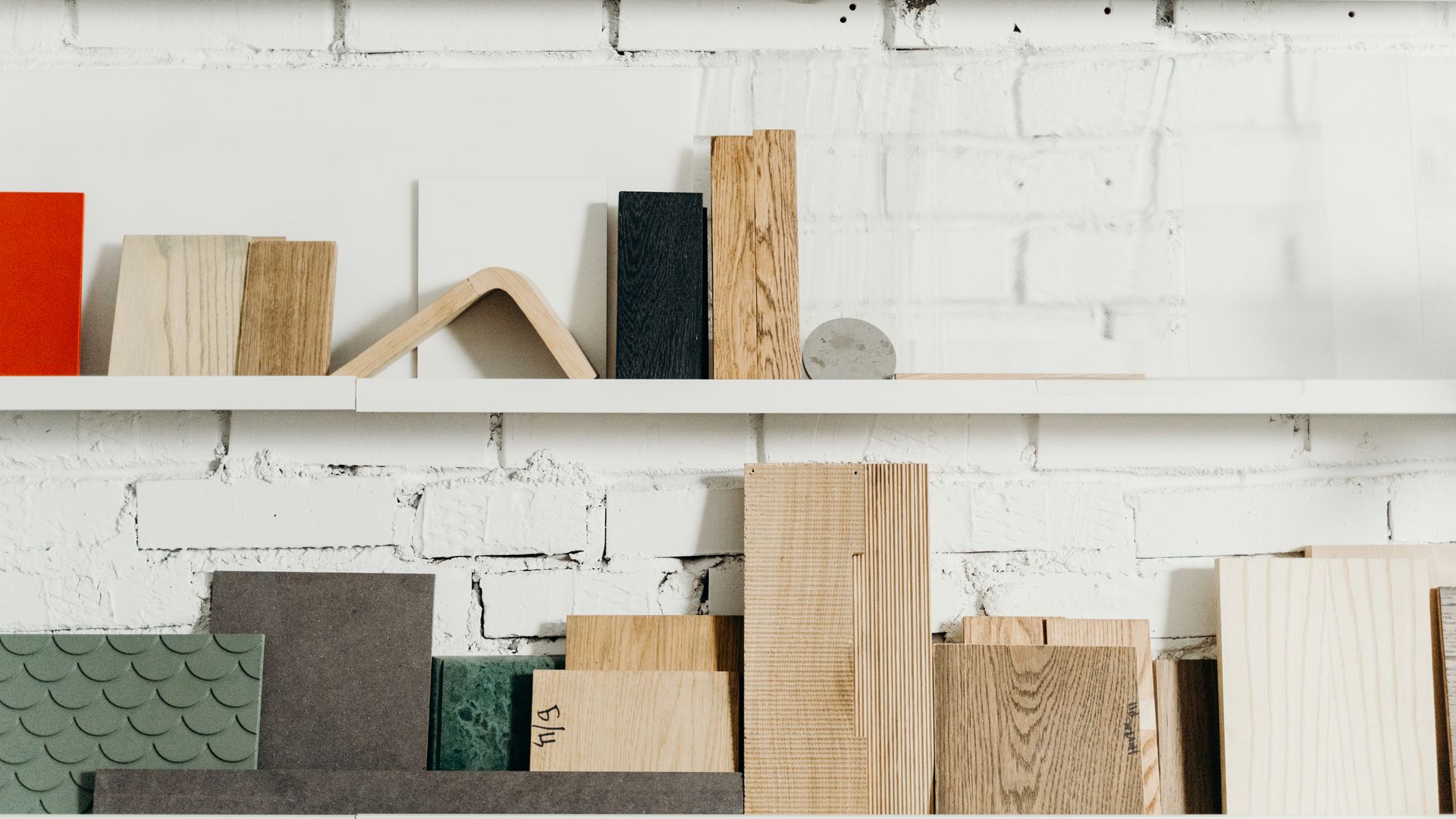
Cyprus · furniture
Furniture in Cyprus.Compare several quotes at once.
Choosing furniture in Cyprus is a materials question before it is a style question. Strong sun fades fabric, heat moves timber, and coastal air attacks metal — so the pieces that last are the ones specified for the island's conditions rather than for a showroom.
- Written for Cypriot buildings
- Named sources
- No affiliate links
Furniture companies in Cyprus
12 companies shown here.
Ranked number 2:Aletraris Furniture Ltd.
Strovolos, Nicosia
Aletraris Furniture Ltd. is a company in Strovolos, in the Nicosia district.
Ranked number 3:Bed & Bath
Aglantzia, Nicosia
Bed & Bath is an interiors shop in Aglantzia, in the Nicosia district.
Ranked number 4:Lavdas Furniture
Strovolos, Nicosia
Lavdas Furniture is a furniture shop in Strovolos, in the Nicosia district.
Ranked number 5:Vicko
Strovolos, Nicosia
Vicko is a houseware shop in Strovolos, in the Nicosia district.
Ranked number 6:Vicko
Nicosia Centre, Nicosia
Vicko is a houseware shop in Nicosia Centre, in the Nicosia district.
Ranked number 7:Andrelia
Kokkinotrimithia, Nicosia
Andrelia is a furniture shop in Kokkinotrimithia, in the Nicosia district.
Ranked number 8:Aphrostrom
Paphos Centre, Paphos
Aphrostrom is a furniture shop in Paphos Centre, in the Paphos district.
Ranked number 9:BED TIME Beds and Mattresses
Emba, Paphos
BED TIME Beds and Mattresses is a bed shop in Emba, in the Paphos district.
Ranked number 10:Euroblinds
Emba, Paphos
Euroblinds is a furniture shop in Emba, in the Paphos district.
Ranked number 11:Fasoulitis
Emba, Paphos
Fasoulitis is a furniture shop in Emba, in the Paphos district.
Ranked number 12:Florin Coman
Larnaca Centre, Larnaca
Florin Coman is an art shop in Larnaca Centre, in the Larnaca district.
- Gift and book shops
Ranked number 13:Knitting Meeting
Kato Polemidia, Limassol
Knitting Meeting is a craft shop in Kato Polemidia, in the Limassol district.
Furniture as a climate decision
A sofa, a table or a wardrobe that performs faultlessly in Hamburg can fail visibly within a few Cypriot summers. The reasons are physical rather than aesthetic: ultraviolet exposure through large windows, indoor temperatures that swing high in rooms left closed in August, humidity that rises sharply in coastal winters, and — near the sea — airborne salt. Furniture buying on the island therefore rewards a habit that showrooms rarely encourage: reading a piece as a set of materials and joints first, and as a shape second.
This is not an argument for joyless practicality. The traditional furniture of Cyprus — cane-seated chairs, waxed chests, marble-topped café tables, timber daybeds — is proof that pieces designed around heat and light can be handsome precisely because of those constraints. The modern task is the same one: choose materials the climate improves, or at least tolerates, rather than materials it destroys.
Timber: how heat and humidity move wood
Wood never stops responding to the air around it. In Cyprus the annual swing runs from dry, hot summers to damp, cool winters, and inland or hill villages swing harder than the coast. Solid timber expands and contracts across its grain through that cycle, which is why well-made solid furniture uses joints and fixings that allow movement — frame-and-panel doors, buttoned table tops, drawers with seasonal clearance. A solid table that was built with movement in mind will shrug off decades of Cypriot summers and can be re-sanded and re-oiled indefinitely.
Veneered construction answers the movement problem differently: a thin face of real timber over a dimensionally stable core barely moves at all. For large flat surfaces — wardrobe doors, sideboard fronts — good veneer is often the more stable choice. The failures come from cheap execution: raw board edges that drink humidity, adhesives that let go in a hot closed room, and faces too thin to repair. Checking edges, backs and undersides tells more about a piece's life expectancy than anything visible from the front.
Finish matters as much as species. Oiled and waxed surfaces are matt, repairable and comfortable in strong light; a scratch is an evening's work with a cloth. High-gloss lacquer shows every mark, throws glare in a bright room, and can only be repaired by refinishing the whole surface. Under Cypriot light the matt finish is both the more practical and the better-looking option, and it is no accident that the island's older furniture is almost uniformly low-sheen.
Upholstery: breathability, fading and the case for loose covers
Two forces work on upholstered furniture here: heat against the body and light against the dye. Woven natural fibres — linen, cotton, wool blends — breathe, so they stay tolerable against skin through the summer. Coated fabrics, dense synthetic velvets and most leathers hold heat and turn clammy; leather also dries and cracks when it lives in direct sun unless it is fed regularly.
Fading is slower but more certain. Ultraviolet passes through ordinary glazing, and any dyed textile parked in a daily patch of sunlight loses colour on its exposed faces first, which is why an old sofa often reveals its original colour only under the cushions. Three defences work: filtering the light with sheers or blinds during the fiercest hours, rotating cushions and turning pieces so exposure evens out, and choosing solution-dyed fibres — where the colour runs through the fibre rather than sitting on its surface — for the brightest positions.
Loose covers deserve rehabilitation. They suit the climate for reasons beyond nostalgia: they can be washed when summer dust and coastal salt settle in, replaced when they finally fade, and swapped seasonally — heavier weaves for winter, washed linen for summer — so one sofa serves both halves of the year. Fixed upholstery offers none of these escapes.
Metal, stone and glass
Near the coast, metal choice is decisive. Salt-laden air corrodes untreated mild steel quickly, and chromed finishes blister once the plating is breached. Powder-coated aluminium, stainless steel and solid brass are the metals that endure; brass and copper have the added grace of weathering into patina rather than rust. Inland, the constraint relaxes, but painted or coated steel still outlasts bare steel wherever windows stand open for half the year.
Stone belongs to the island's furniture tradition — the marble-topped table is a Cypriot café fixture because stone stays cool, ignores heat and wipes clean. Marble etches under lemon juice and wine, which some owners accept as character; granite, quartzite and sintered stone offer the same coolness with less sensitivity. Terrazzo, enjoying a broad revival, suits table tops and consoles and nods to the island's mid-century floors.
Glass tables earn a caution rather than a ban: in a bright room a glass top is a horizontal mirror, doubling glare at exactly the height of a seated eye-line. Smoked or reeded glass, or simply a different placement relative to the windows, resolves what is otherwise a permanent annoyance.
Cane, rattan and the woven tradition
The cane-seated chair is possibly the most climate-intelligent object in the Cypriot house. Woven cane and rattan are light to move towards or away from the sun, cool against the body because air passes through them, and rigid without bulk. The same logic explains the woven headboard, the rattan-fronted cabinet that ventilates its own contents, and the pencil-reed armchair.
The materials ask for modest care: cane dries and turns brittle if it lives in direct sun year-round, and an occasional wipe with a damp cloth restores its suppleness. True rattan is an indoor and covered-veranda material; the all-weather versions woven from synthetic fibre over aluminium frames are the correct choice for exposed terraces, and the good ones are now difficult to distinguish at a glance.
The veranda: furniture's second front
Outdoor living is not an accessory in Cyprus; for much of the year the veranda is the main room. Its furniture faces harder duty than anything indoors — full sun, dust, winter rain, and on the coast, salt. The combinations that survive are known: teak and similar oily hardwoods that weather to silver-grey; powder-coated aluminium frames; synthetic weaves on aluminium cores; stone or sintered table tops. Cushions should be solution-dyed outdoor fabric over drainable foam, and their lifespan doubles if they winter indoors.
The threshold between inside and out also shapes indoor buying. Pieces that migrate — folding chairs, light tables, floor cushions — get more use than their price suggests, and choosing indoor furniture with an eye to occasional veranda service is a very Cypriot habit.
Buying well: old, new and made-to-order
The island's furniture market runs in three streams. Imported contemporary furniture offers range and price competition, but much of it was specified for cooler, dimmer markets — foam-backed fabrics, raw-edged boards and mirror-gloss finishes reveal themselves quickly here. Reading the materials list closely is the defence.
Second-hand and inherited pieces are often the best value on the island. A mid-century chest or café table that has already stood fifty Cypriot summers has passed the only test that matters; solid construction from that era responds well to re-oiling, re-caning and reupholstery, and restoring a good carcass frequently costs less than replacing it with a worse one.
Made-to-order work remains a live tradition in Cyprus, particularly for built-in wardrobes, beds and outdoor pieces sized to a specific veranda. Commissioning rewards the same materials literacy as buying: specifying the timber, the finish sheen, the drawer construction and the hinge metal is what separates a piece built for the island from a piece merely built on it. Built-in work has to be drawn and ordered against the building programme rather than after it, which is the sequencing argument made under interior design — and someone has to own the drawings, which is what a designer is actually engaged to produce.
Arranging furniture around sun and air
Placement is the final material decision. In a masonry house that cools itself by night ventilation, furniture that blocks a window or pins a door leaf half-open is quietly working against the building. The pieces most vulnerable to light — upholstery, dyed rugs, veneered fronts — belong out of the direct southern patch, or behind a sheer during the fierce hours. Heavy pieces sit most comfortably against internal walls, where they neither absorb window heat nor obstruct the air path.
Seasonal rearrangement, finally, is a habit worth keeping from the older generation of Cypriot households: rugs rolled and stored for summer, cane chairs drifting towards the shaded side of the house, the heavier armchair migrating back towards the winter corner. Furniture chosen light enough to move invites this rhythm; furniture too heavy to shift locks the house into a single season.
None of this narrows style. It narrows failure. Within the envelope of breathable weaves, movable weight, matt finishes and honest timber sits every idiom from village vernacular to strict modernism — all of it looking better in the island's light than anything chosen against it.
Common questions
- What furniture materials last longest in the Cyprus climate?
- Hardwoods with an oiled or waxed finish, rattan and cane, powder-coated aluminium and stone-topped pieces all age well in Cypriot conditions. Veneered boards with unsealed edges, foam-backed fabrics and untreated mild steel age badly — heat opens veneer joints, sunlight rots foam backing, and coastal salt rusts bare steel within a season or two near the shore.
- Does sunlight really damage furniture indoors?
- Yes, measurably. Ultraviolet light passes through ordinary window glass and fades dyed fabric, yellows some lacquers and bleaches timber that sits in a daily patch of sun. In Cyprus the exposure season is long, so a sofa placed against a south-facing window shows a colour difference between its sun side and shade side within a few years. Sheers, blinds and periodic rotation slow it considerably.
- Is solid wood or veneer better for Cypriot homes?
- Both can work if honestly made. Solid timber moves with humidity swings but can be re-sanded and re-oiled for decades. Good veneer over a stable core barely moves at all, which suits large flat surfaces like wardrobe doors — but cheap veneer with raw edges delaminates in heat and cannot be repaired. The failure point is quality of construction, not the category.
- What upholstery fabric copes best with heat?
- Woven natural fibres breathe: linen, cotton and wool-mix weaves stay comfortable against skin in summer where coated synthetics and leather turn sticky. Loose covers in pre-washed linen or cotton can be laundered when dust and salt settle into them, which fixed upholstery cannot. Solution-dyed acrylics resist fading best of all and have become convincing enough for indoor use in the brightest rooms.
- What should veranda furniture be made of?
- Powder-coated aluminium frames, teak or other oily hardwoods, and synthetic weaves built on aluminium cores handle the veranda's mix of sun, dust and occasional winter rain. Cushions belong in solution-dyed outdoor fabric with drainable foam, and they last far longer stored through winter. Untreated softwood, chromed steel and indoor rattan all fail quickly outside.
01Before the palette
Furniture in Cyprusstarts with the light.
Four constraints that shape interiors on this island, before taste enters the conversation.
Test colour in the actual room
Cypriot light flattens mid-tones and warms whites. A chart chosen indoors in winter reads differently in August.
Light first
Choose materials for the climate
Heat, glare and coastal salt punish soft finishes. Texture and mineral surfaces carry schemes here better than colour alone.
Climate-proof
Plan the shade
A north-facing room is an asset at this latitude. A layout that follows the sun costs nothing and changes everything.
Orientation
Decide what is built in
Masonry walls make retrofitting expensive. Anything wired, plumbed or recessed belongs in the plan before the first coat.
Plan early

Need furniture?One form. Up to five quotes.
Tell us about the room and we will put you in touch with designers who know the light here.